← Journal

The case for slowing a robot down

Speed is the obvious flex. But the most powerful moments we've made — the ones that actually stop an audience — come from a robot that knows how to pause.

The case for slowing a robot down

Speed is the obvious flex. It's the thing people expect from a performance robot — the agility, the snap, the precision at velocity. And yes, we can deliver that. But the most powerful moments we've made — the ones that actually stop an audience — come from a robot that knows how to pause.

There's a choreographic idea we borrow from contemporary dance: the weight transfer. The moment before a movement, where the body loads. A robot can simulate this — a micro-lean into a direction before it moves, a slight compression before a rise. At full speed, you barely register it. Slowed down, it reads as intention. The audience stops expecting a machine and starts watching a performer.

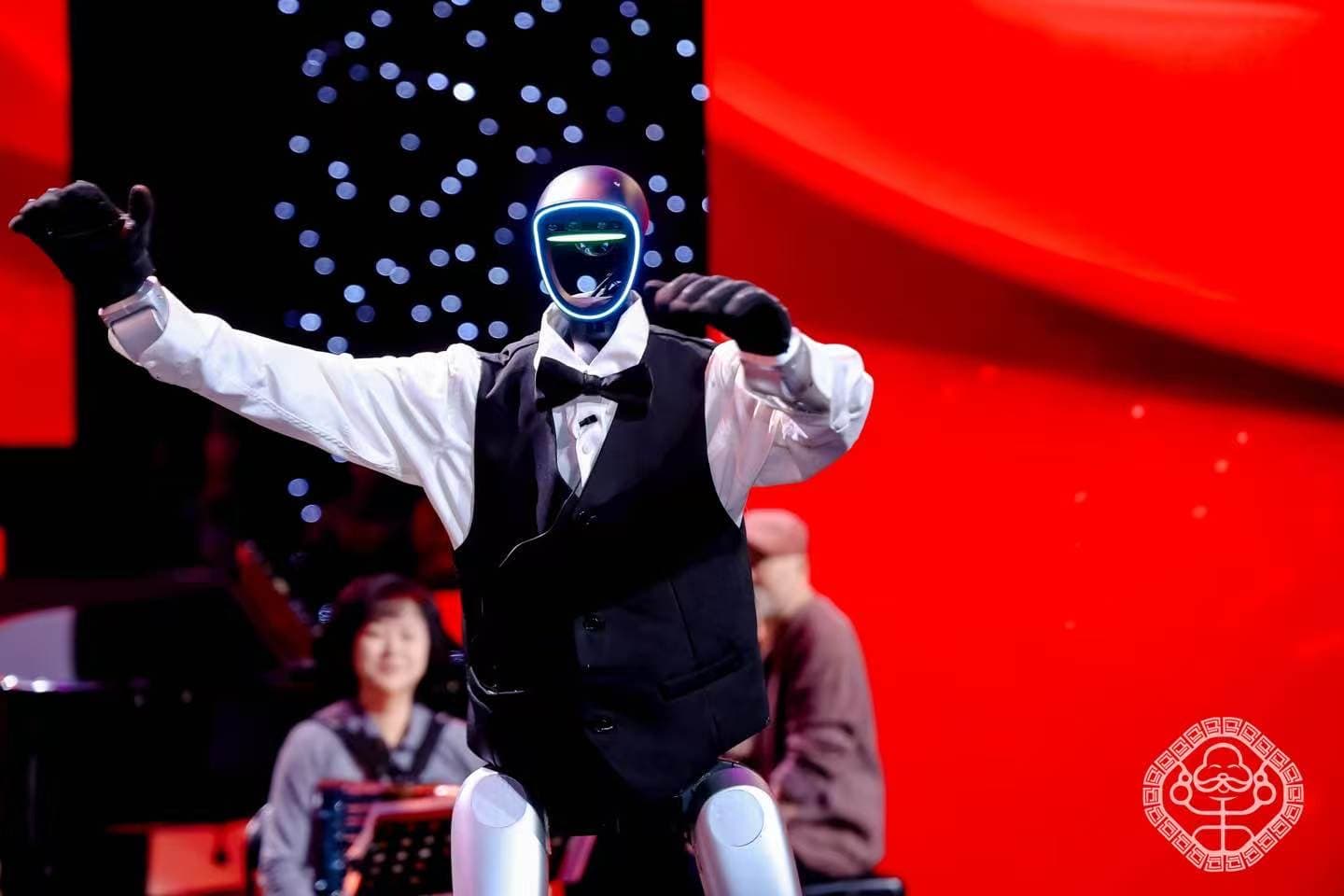
We tested this directly during the keynote project in Auckland. The same reveal sequence, same music, same robot — but at two tempos. The faster version got a reaction at the moment of the reveal. The slower version got the audience leaning in 12 seconds before it. The anticipation was the event.

We've found that the sweet spot for a reveal moment is about 40% of what feels natural in rehearsal. That slowness creates anticipation. Anticipation creates memory. Memory is what a brand pays for.

Fast is forgettable. Considered is what travels.

Want precision like this for your next event?

Book a performance →
Stay informed

Robot news, event updates,
industry dispatches.

No spam. Unsubscribe anytime.